

In the symphony of a modern building, there are sounds we want to hear and many we don’t. The gentle hum of an HVAC system, the gurgle of a flushing toilet from the floor above, the rush of water through pipes in the walls—these unwelcome noises are more than just minor irritations. They are constant distractions that can disrupt focus in an office, disturb peace in a home, and compromise the sense of luxury in a high-end hotel.
The solution to this invisible problem is often an unseen hero: Duct Lagging. While the name might sound purely technical, this incredible material is the key to achieving true acoustic comfort. This guide will explore what duct and pipe lagging is, how it works its sound-blocking magic, and its essential applications in creating quieter, more peaceful spaces.
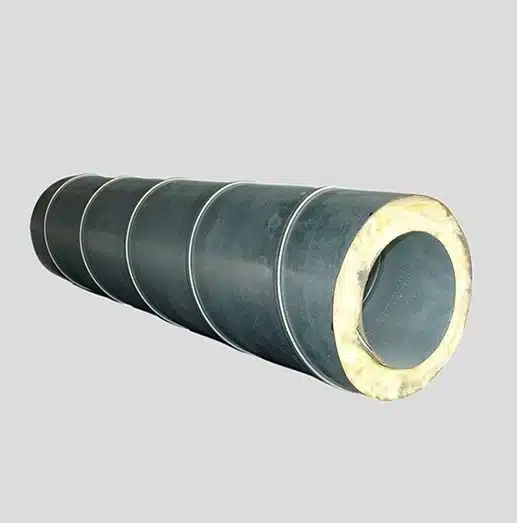
Duct lagging is a flexible, high-performance insulation material designed to be wrapped around the exterior of ducts, pipes, and other systems. Its purpose is twofold, addressing two of the most critical aspects of building performance:
A typical high-performance acoustic pipe wrap is not a single material, but a sophisticated, multi-layered composite designed for maximum noise reduction. Its structure usually consists of:
To appreciate the solution, we must first understand the problem. The noise from ducts and pipes is generated in two primary ways:
This is where a specialized product like an acoustic pipe wrap becomes essential. It tackles both types of noise using its advanced, layered construction. When wrapped around a noisy pipe, it performs a two-step process to kill the sound:
This is particularly effective for acoustic lagging for drainage pipes. A standard PVC waste pipe can be incredibly noisy, allowing you to hear every flush and drain from other parts of the building. By wrapping it with a high-performance acoustic pipe insulation, that noisy pipe can be made virtually silent, drastically improving acoustic privacy and comfort in apartments, hotels, and homes.
The need for effective noise control is universal, and duct lagging is a versatile solution used across a wide range of sectors.
In large commercial buildings like offices, shopping malls, and hospitals, HVAC systems are massive and powerful. The large ducts that distribute conditioned air can be a major source of low-frequency “rumble.” Duct lagging is wrapped around these ducts, especially in areas above sensitive spaces like boardrooms, private offices, or patient rooms, to ensure the HVAC system is felt but not heard.
Perhaps the most critical application is in residential construction. Acoustic privacy is one of the biggest factors in tenant and homeowner satisfaction.
Factories and industrial plants are inherently noisy environments. Occupational health and safety regulations often mandate noise control to protect workers. Acoustic pipe wrap is used on high-pressure fluid or gas pipes, compressed air lines, and conduits connected to powerful machinery to reduce overall noise levels in the facility.
In spaces where sound is everything, no detail can be overlooked. In recording studios, cinemas, concert halls, and theaters, any background noise is unacceptable. Duct lagging is meticulously applied to every single pipe and duct that passes through or near these acoustically critical spaces to ensure complete silence.
It’s important to note that not all lagging is the same. While a standard thermal insulation (like fiberglass wool) will provide a small amount of sound absorption, it is not designed to block sound.
For serious noise problems, a dedicated acoustic pipe insulation product is the only effective solution.
In modern construction, creating a great space is about more than just aesthetics. It’s about designing for human comfort, focus, and well-being. Duct lagging and acoustic pipe wrap are essential tools in achieving this, working silently behind the scenes to eliminate unwanted noise at its source. From ensuring a quiet night’s sleep in an apartment to allowing for focused work in an office, this remarkable material is fundamental to the sound of a well-designed building.